Ecommerce
Web development for ecommerce: how to build an online store that actually sells
Setting up an online store is easier than ever, but building one that actually converts visitors into paying customers takes more than a template and a product catalog. This guide covers what matters when building an ecommerce website in 2026.
Choosing the right platform
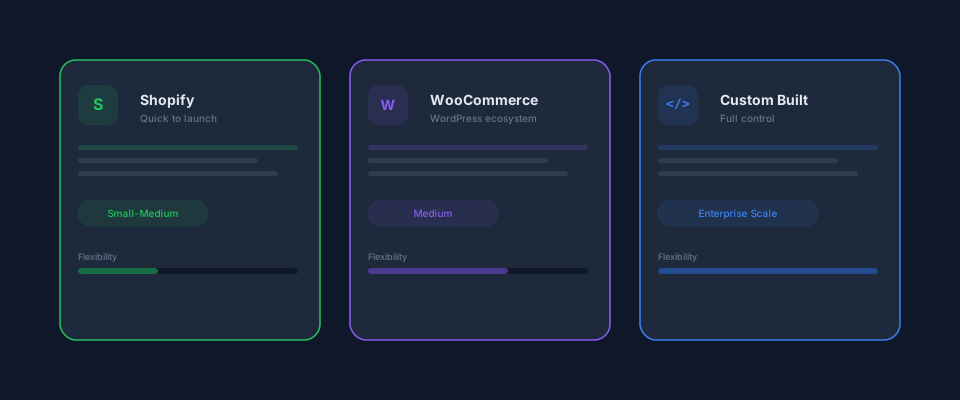
Your platform choice depends on your scale, budget, and how much control you need:
- Shopify is great for small to medium stores that want something working quickly without heavy development costs.
- WooCommerce works well if you already have a WordPress site and want to add ecommerce functionality.
- Custom-built using React, Next.js, and a headless CMS gives you complete control over design, performance, and user experience. This is the approach we use at GrayVally for clients who need something tailored.
There is no single best platform. The right choice depends on your product catalog size, budget, and growth plans.
What makes an ecommerce site convert
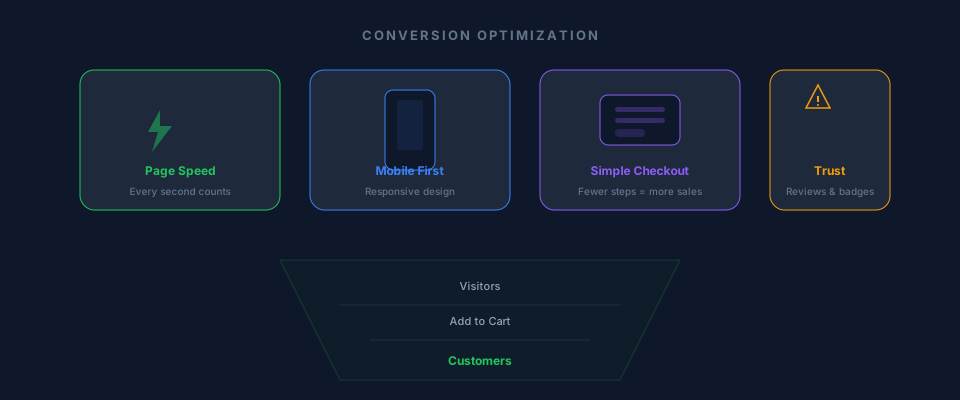
The difference between a store that sells and one that does not usually comes down to a few things:
- Page speed: Every extra second of load time drops conversion rates. Compress images, use lazy loading, and choose a fast hosting setup.
- Simple checkout: Fewer steps means more completed purchases. Guest checkout should always be an option.
- Mobile experience: Most ecommerce traffic comes from phones. Your mobile experience should not be an afterthought.
- Trust signals: Reviews, secure payment badges, clear return policies, and professional design all build confidence.
- Product pages: Good photos, clear descriptions, visible pricing, and easy add-to-cart actions make the biggest impact.
Payment and shipping integration
Your store needs reliable payment processing. Stripe is the most developer-friendly option for custom builds. For Bangladesh-based stores, integrations with bKash, Nagad, and local gateways matter too.
Shipping integration depends on your business model. Some stores handle fulfillment manually, others need real-time shipping rate calculators and tracking integrations. Plan for this early because adding it later is always more expensive.
SEO for ecommerce
Ecommerce SEO is different from blog SEO. You need to optimize:
- Product page titles and descriptions with buying-intent keywords.
- Category pages that target broader search terms.
- Image alt texts and structured data for product rich snippets.
- Site architecture so products are never more than 3 clicks from the homepage.
When to go custom vs using a template
Templates work great for getting started quickly. Go custom when you need unique functionality, a specific brand experience, or when your platform starts limiting your growth.
At GrayVally, we build custom ecommerce solutions for businesses that have outgrown templates. Our web solutions include everything from design to payment integration to ongoing support.
Getting started
If you are planning an ecommerce project, start by defining your product catalog size, target market, and must-have features. Then talk to a development team who has built stores before.
Get in touch with GrayVally for a free consultation on your ecommerce project. We will help you choose the right approach and build a store that actually sells.
Related reading: How to choose a web development company in Bangladesh (practical guide)
Have a project in mind?
We would love to hear about it. Get a free consultation from the GrayVally team.
Start a conversation