Mobile Development
Mobile app and website development: do you need both, and where to start?
"Should we build a mobile app, a website, or both?" is one of the most common questions we hear from new clients. The answer depends on what your business actually needs, who your users are, and what you can realistically invest right now.
Website first, app later: why this usually works
For most businesses, starting with a well-built website is the smarter move. Here is why:
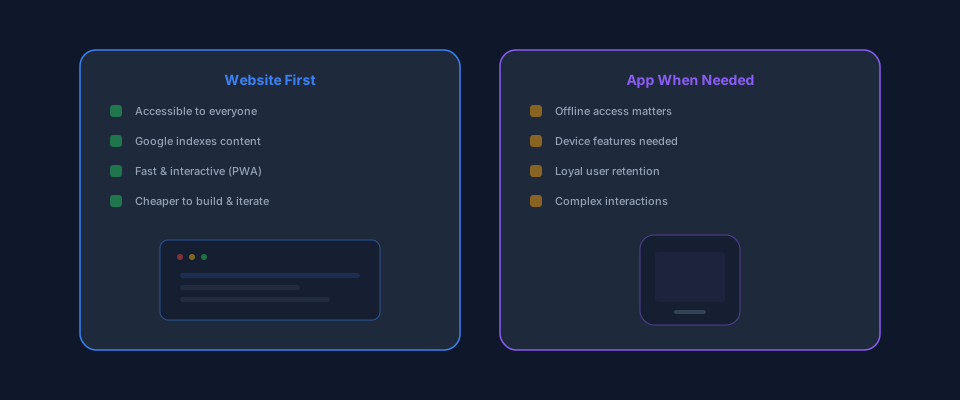
- Websites are accessible to everyone with a browser. No app store approval, no downloads.
- Google indexes websites. Your content and services show up in search results, driving organic traffic that an app alone cannot provide.
- Modern websites built with frameworks like Next.js can feel as fast and interactive as native apps, especially as Progressive Web Apps (PWAs).
- A website is generally faster and cheaper to build, launch, and iterate on.
If your primary goal is to reach new customers, establish credibility, or sell products online, a website should come first.
When you actually need a mobile app
Mobile apps make sense when:
- Offline access matters: If users need to access content or features without an internet connection.
- Device features are essential: Camera, GPS, push notifications, Bluetooth, and other hardware-level integrations work best in native apps.
- You have a loyal user base: Apps are great for retention. Users who install your app are more engaged than casual website visitors.
- Complex interactions: If your product involves real-time collaboration, heavy data processing, or gaming-level interactions.
How websites and apps work together
The best digital strategies often combine both. A common pattern:
- The website handles discovery, marketing, and SEO. New users find you through Google.
- The app handles engagement and retention. Existing users get a richer, faster experience with push notifications and offline support.
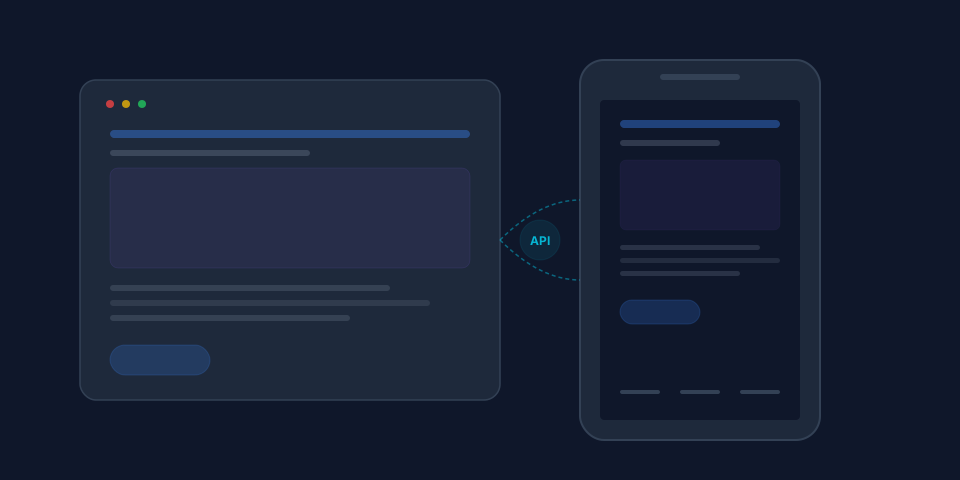
- Both share the same backend. APIs power both your website and mobile app, keeping data consistent.
Budgeting realistically
Building both a website and mobile app simultaneously can stretch budgets thin. A realistic approach:
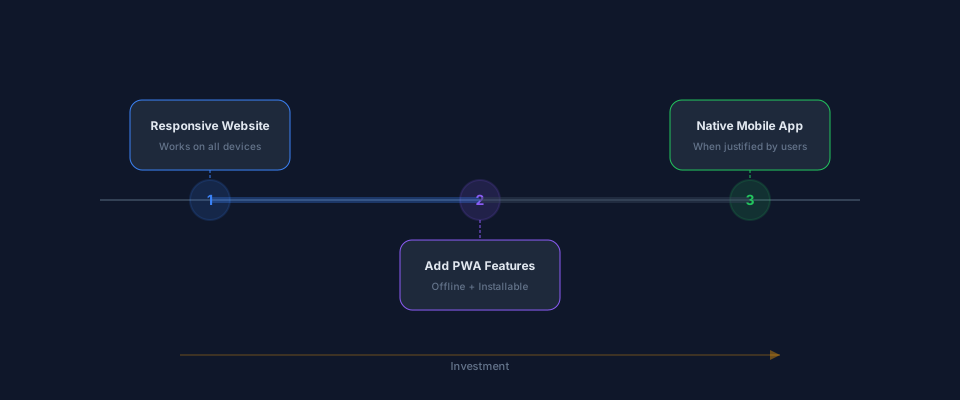
- Phase 1: Build a responsive website that works beautifully on all devices.
- Phase 2: Add PWA features (offline support, installability) for mobile users.
- Phase 3: Build a native app when your user base and business model justify the investment.
This phased approach lets you validate your product with real users before committing to the cost of native app development.
Choosing a development partner
Look for a team that can handle both web and mobile, or at least design your web architecture in a way that makes adding a mobile app later straightforward. API-first design, shared authentication, and consistent design systems matter.
At GrayVally, we specialize in building websites and web applications that are designed to scale. When the time comes for a mobile app, the backend and design system are already in place. See our software solutions for more on how we approach complex projects.
Next steps
Not sure whether you need a website, an app, or both? Talk to our team. We will help you figure out the right path based on your business goals, budget, and timeline.
Related reading: Web development for ecommerce: how to build an online store that actually sells
Have a project in mind?
We would love to hear about it. Get a free consultation from the GrayVally team.
Start a conversation